

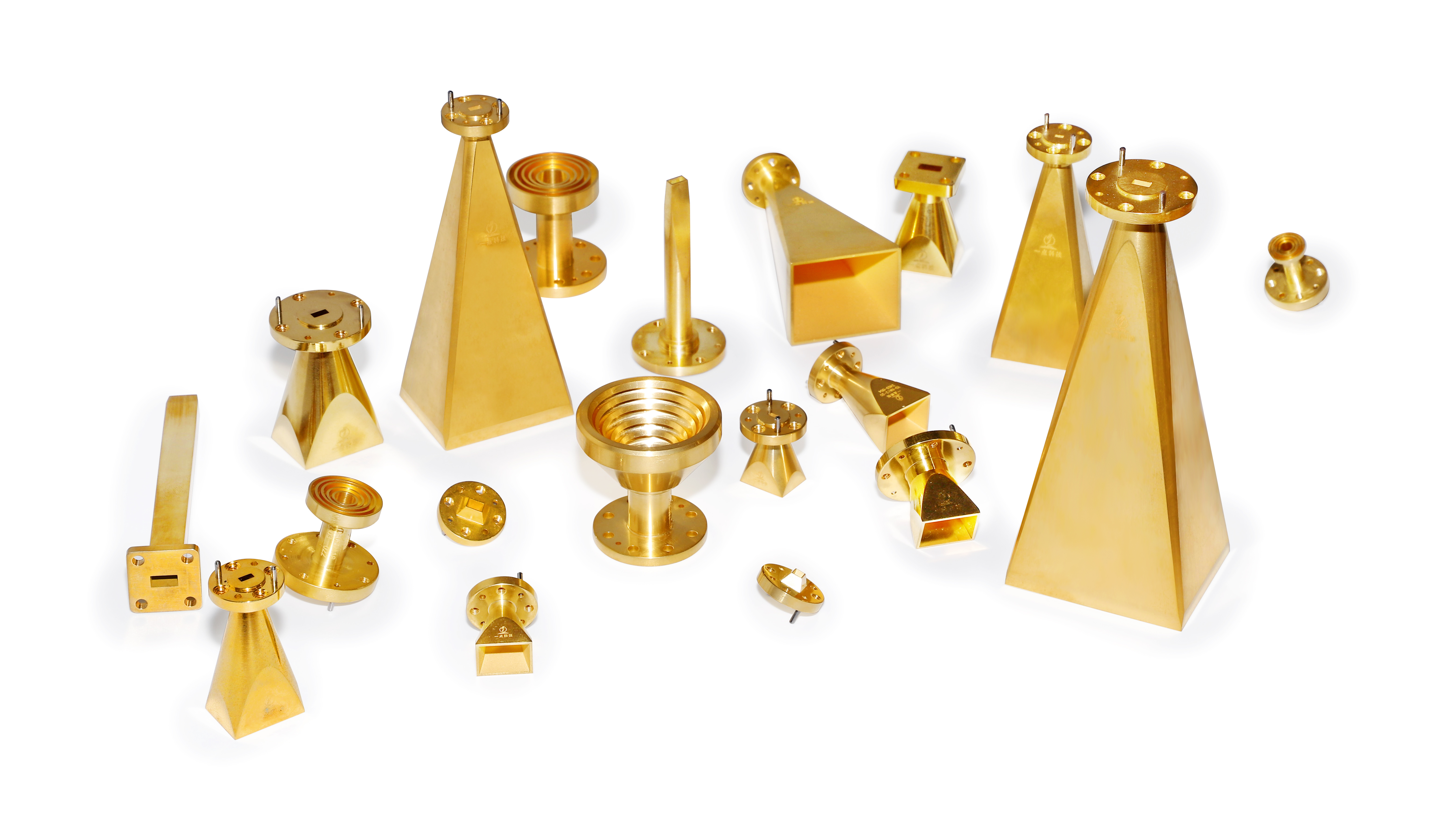
Committed to the research and development and production of microwave and millimeter wave antennas and passive devices
MORE +

▪
Product Name
▪
Frequency:
▪
Frequency1:
▪
Frequency2:
▪
Passband Frequency:
▪
Stopband Frequency1:
▪
Stopband Frequency2:
▪
Bandwidth:
▪
Gain:
▪
Beam Width:
▪
VSWR:
▪
Polarization Mode:
▪
Working Mode:
▪
Sidelobe:
▪
Insertion Loss:
▪
Standing Wave:
▪
Isolation Degree:
▪
Return loss:
▪
Length:
▪
Port isolation:
▪
Specification Temperature:
▪
Working temperature:
▪
Antenna Port:

▪
Product Name
▪
Frequency:
▪
Frequency1:
▪
Frequency2:
▪
Passband Frequency:
▪
Stopband Frequency1:
▪
Stopband Frequency2:
▪
Bandwidth:
▪
Gain:
▪
Beam Width:
▪
VSWR:
▪
Polarization Mode:
▪
Working Mode:
▪
Sidelobe:
▪
Insertion Loss:
▪
Standing Wave:
▪
Isolation Degree:
▪
Return loss:
▪
Length:
▪
Port isolation:
▪
Specification Temperature:
▪
Working temperature:
▪
Antenna Port:

▪
Product Name
▪
Frequency:
▪
Frequency1:
▪
Frequency2:
▪
Passband Frequency:
▪
Stopband Frequency1:
▪
Stopband Frequency2:
▪
Bandwidth:
▪
Gain:
▪
Beam Width:
▪
VSWR:
▪
Polarization Mode:
▪
Working Mode:
▪
Sidelobe:
▪
Insertion Loss:
▪
Standing Wave:
▪
Isolation Degree:
▪
Return loss:
▪
Length:
▪
Port isolation:
▪
Specification Temperature:
▪
Working temperature:
▪
Antenna Port:

If you are interested in our products, please leave your email and we will contact you as soon as possible. Thank you.

Official Account

- Product Comparison